
Your Guide to Finding a Great Vegan & Gluten-Free Protein Powder
Discover the best protein powder vegan gluten free options. Our guide helps you read labels, pick the right powder for your goals, and make it taste great.
Posted by
 Munchlog
Related reading
Your Guide to Fruit Bowl Nutrition Facts
Discover the real fruit bowl nutrition facts. Learn about the calories, carbs, and vitamins in your fruit mix and how to track them effortlessly.
alternatives to myfitnesspal: Find the Best App for Your Vibe
Discover alternatives to myfitnesspal for casual tracking with user-friendly apps, features, and quick reviews to help you pick the best fit.
Macros for a Vegan Diet Made Simple
Confused about macros for a vegan diet? Learn how to easily balance your protein, carbs, and fats without the stress. Get simple tips and real food ideas.
Finding a great protein powder vegan gluten free option is way easier than it sounds. These plant-based powders are perfect for anyone with dietary sensitivities or those just looking to add more clean fuel to their day. They're a super simple way to boost your protein without the dairy or gluten that can sometimes cause tummy troubles.
Navigating the World of Vegan Gluten Free Protein
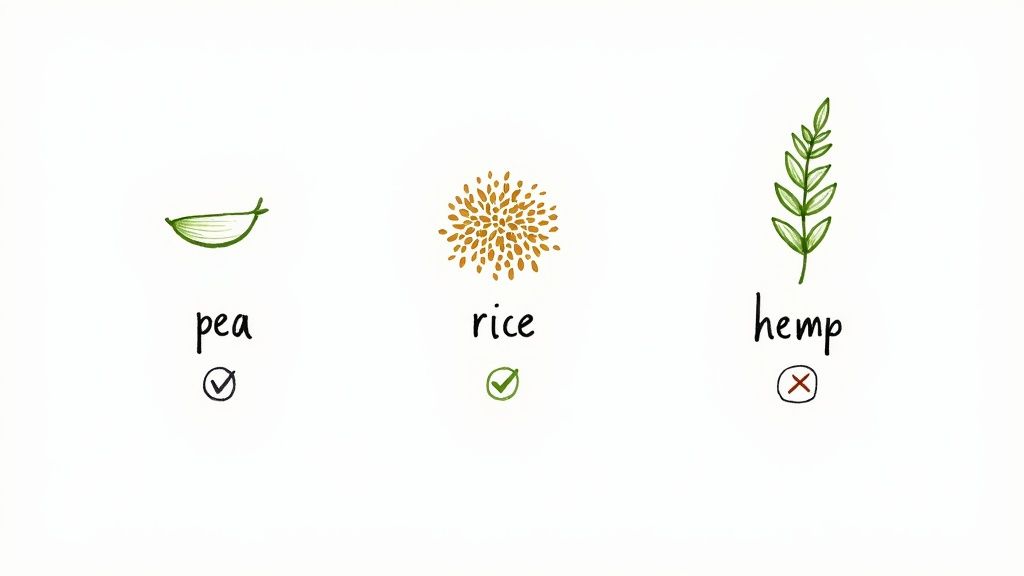
If you've ever felt a little lost in the protein aisle, you're not alone. The wall of tubs and labels can be a lot. But deciding to go for a vegan and gluten-free protein powder is a great first step toward finding something that’s kinder to your digestion and fits a cleaner lifestyle.
The best part? You're not sacrificing quality. A common myth is that plant-based proteins are somehow "less than" their whey counterparts. Not true! High-quality plant proteins are packed with the good stuff your body needs to feel its best, whether you're recovering from a workout or just trying to stay full between meetings.
Why Go Plant-Based and Gluten-Free?
So, why are so many people making the switch? It usually comes down to a few key perks:
- Easier on the Stomach: Plant-based proteins are naturally lactose-free, which is often the culprit behind the bloating and discomfort people feel with whey.
- Allergen-Friendly: If you have celiac disease or a gluten sensitivity, certified gluten-free options give you peace of mind and help you avoid any unwanted reactions.
- Clean Ingredients: The best vegan powders focus on whole-food sources, meaning you're skipping a lot of the artificial additives and fillers you don't need.
This isn't just a niche trend. The global vegan protein powder market was valued at about $1.27 billion in 2025 and is projected to nearly double to $2.49 billion by 2032. You can read the full research on this growing demand over at ResearchAndMarkets.com. It just goes to show how many people are looking for cleaner, more conscious options.
The real goal isn't just to add protein; it's to add a source of protein that makes you feel good. It should support your energy levels and fit into your day without causing any issues.
A Quick Look at Common Vegan Protein Sources
Here's a simple comparison of popular plant-based proteins to help you find your perfect match.
| Protein Source | Why People Love It | Best For |
|---|---|---|
| Pea Protein | Creamy texture, high in iron, mixes well. | Smoothies and post-workout shakes where texture matters. |
| Brown Rice Protein | Hypoallergenic, easy to digest, budget-friendly. | Blending with other proteins to create a complete amino acid profile. |
| Soy Protein | Complete protein source, contains all 9 essential amino acids. | Anyone looking for a complete, all-in-one plant protein. |
| Hemp Protein | Rich in fiber and healthy fats (omega-3s & omega-6s). | Adding a nutritional boost to shakes, not just protein. |
| Pumpkin Seed Protein | High in magnesium and zinc, has a mild, nutty flavor. | Baking or adding a subtle flavor to oatmeal and smoothies. |
These are the building blocks of the plant-based protein world. Knowing a little about them makes decoding labels so much easier.
The Most Common Protein Sources
When you start scanning labels, you'll see a few key players pop up again and again. These are the foundations of most protein powder vegan gluten free products. Getting to know them makes choosing the right one a lot less intimidating.
You'll see a lot of pea protein, which is known for its surprisingly smooth texture, and brown rice protein, which can have a slightly grittier feel but offers a fantastic nutritional profile. You'll also find hemp, soy, and pumpkin seed proteins.
Many of the best brands create blends—like combining pea and rice protein—to offer a complete amino acid profile, giving you all the building blocks your body needs. Understanding these sources is the first step in mastering your macros for a vegan diet.
How to Read Nutrition Labels Without the Headache
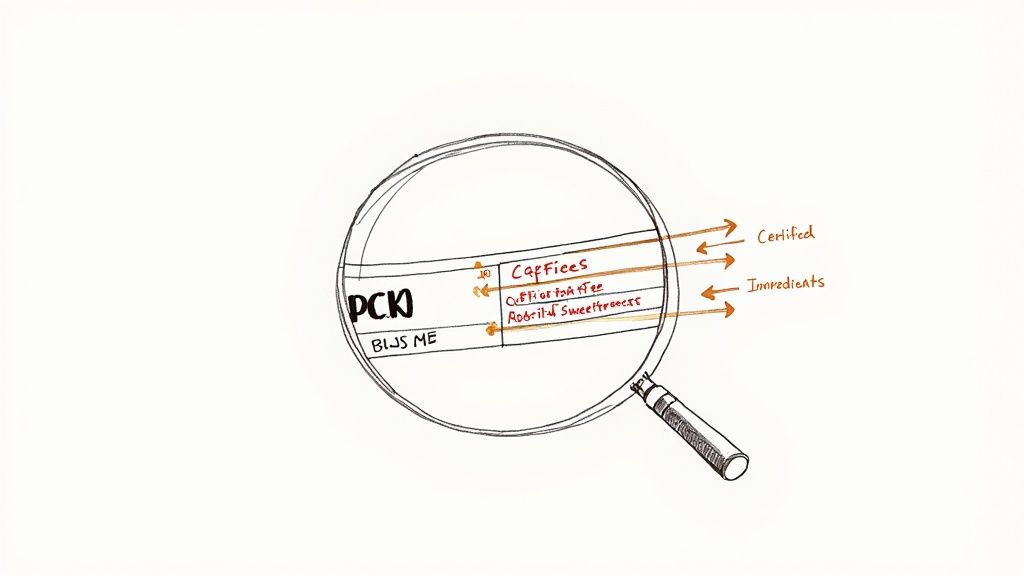
Walking down the supplement aisle can feel like a pop quiz you didn't study for. Staring at a wall of tubs with bold claims makes it hard to know where to begin. But when it comes to reading nutrition labels, it doesn't have to be complicated.
Forget the flashy marketing for a second. When you're looking for a protein powder vegan gluten free option, you're really just checking for a few key things: how much protein you're getting, what's making it sweet, and if there are any weird additives.
First, glance at the macros. A good rule of thumb is to find a powder that delivers 20-30 grams of protein per serving. That’s a great amount for muscle repair after a workout or for keeping you full between meals. I also check the carbs and fats—unless you want a meal replacement, it's usually best to keep those numbers on the lower side.
Spotting Red Flags in the Ingredients
The ingredient list is where the real story is. Honestly, it's often more revealing than the big numbers on the front. A good tip? The shorter the list, the better. You want to see ingredients you can actually recognize, like "pea protein isolate" or "organic hemp protein," right at the top.
Here’s what to watch out for:
- Sneaky Sugars: Don't be fooled by fancy names. Look out for things like sucrose, dextrose, maltodextrin, or high-fructose corn syrup.
- Artificial Sweeteners: Some people have a tough time with sweeteners like sucralose or aspartame. Many people prefer powders sweetened naturally with stevia or monk fruit. Or even better, an unsweetened version you can sweeten yourself.
- Fillers and Gums: Ingredients like xanthan gum are used as thickeners. They aren't necessarily bad, but if you have a sensitive stomach, they can sometimes cause bloating.
The real win is finding a protein powder with a clean, simple ingredient list. It means you’re getting more of what you actually want—protein—and less of the stuff you don’t.
Decoding Certifications and Labels
Those little seals on the packaging aren't just for show. Think of them as a shortcut to trust. When you're busy, these certifications can save you a ton of label-reading time.
For anyone with celiac disease or a serious sensitivity, seeing a “Certified Gluten-Free” seal is a must. It’s your guarantee that the product has been tested to meet strict standards and avoid cross-contamination. Another one to look for is the “Non-GMO Project Verified” seal, which tells you the ingredients haven't been genetically modified.
This push for clean, transparent sourcing is a huge deal. In fact, the demand for high-quality vegan protein is projected to more than double the market size from USD 5.315 billion in 2025 to USD 11.69 billion by 2035. If you're curious, you can learn about the market projections here.
Once you've settled on a powder you love, tracking it should be the easy part. With an app like Munchlog.ai, you can just say, “Log one scoop of vanilla pea protein powder.” The app does the rest, instantly adding the macros to your day so you can stay on top of your goals without the hassle.
Matching Your Protein Powder to Your Lifestyle
Let's be real—there's no single "best" protein powder. The best one is the one you'll actually use and enjoy, the one that fits right into your daily life and helps you reach your goals.
So before you buy, take a second to think about why you want it. Are you looking for something to drink after a tough workout? Or are you a busy professional who needs a morning smoothie to last until lunch? Your answer changes everything.
If you’re all about muscle repair, you’ll want to find a blend with a complete amino acid profile. This is why you see so many pea and brown rice protein combos. They're a perfect match, filling in each other's gaps to give your muscles exactly what they need to rebuild.
Finding Your Perfect Protein Match
On the other hand, if you just want an easy way to up your daily protein, your focus might be different. You'll probably care more about taste, texture, and whether it mixes well into your morning oatmeal. In that case, a smooth, single-source protein like a creamy pea isolate might be your perfect fit.
It's all about making a choice that works for you. We're seeing a huge rise in plant-based blends that mix pea, rice, and even hemp protein. These are naturally gluten-free and pack a well-rounded nutritional punch, making them super versatile. The pea protein market alone is exploding because it's so allergen-friendly. You can dig deeper into this plant-based protein boom and its growth forecasts on GlobeNewswire.
The secret is connecting your daily habits to the product's purpose. A protein powder should make your life easier, whether that’s hitting your macros, staying full, or recovering faster.
Putting It Into Practice
Let's break this down with a few real-world examples. It's much easier to pick the right powder when you can picture exactly how you'll use it.
The table below is a quick guide to help you find the right protein powder based on what your days actually look like.
Find Your Perfect Protein Powder Match
Use this guide to find the right protein powder based on your daily routine and wellness goals.
| Your Goal | What to Look For | Real-Life Example |
|---|---|---|
| Quick Post-Workout Recovery | A blend with 20-25g of protein and a complete amino acid profile (like pea and rice). | Shaking up a scoop with water or almond milk right after a gym session to kickstart muscle repair. |
| Make a Meal More Filling | A powder that mixes well and has a pleasant, neutral flavor. | Stirring a scoop of unflavored or vanilla protein into your morning oatmeal or yogurt bowl. |
| Healthy Afternoon Snack | Something that tastes great on its own and helps curb cravings. | Blending a chocolate-flavored protein with a banana and a spoonful of peanut butter for a satisfying smoothie. |
When you think about your day-to-day life, the choice becomes less about lab specs and more about what's practical.
Once you’ve found your perfect match, keeping track is key. With a tool like Munchlog.ai, logging is as simple as saying, “Log one scoop of my pea protein powder.” It takes the friction out of tracking and shows you exactly how your new powder helps you hit your nutrition targets.
Simple Tricks for a Great-Tasting Protein Shake
Let's be honest—nobody wants to drink something that tastes like chalk. The biggest reason people give up on protein powder isn't the cost; it's the taste. If your shake is a gritty chore, you're just not going to stick with it.
But here’s the good news: making a genuinely delicious protein powder vegan gluten free shake is way easier than you think. You just need a few simple tricks.
The quickest win? Ditch plain water. Sure, it works in a pinch, but switching to an unsweetened plant-based milk like almond, oat, or soy instantly makes your shake creamier and richer. It makes a world of difference. You can get the full scoop on finding that perfect liquid ratio in our guide to using water in your protein shake.
Another pro tip is to use frozen fruit instead of fresh. A frozen banana, for instance, whips up into a thick, almost milkshake-like consistency that feels like a real treat.
Elevating Your Shake From Good to Great
Once you've nailed the basics of liquid and texture, it's time to play with flavor. A few simple additions can take a shake from "okay" to something you actually look forward to.
- A Pinch of Salt: I know, it sounds weird. But a tiny dash of sea salt in a chocolate protein shake makes the cocoa flavor pop. It cuts any bitterness and deepens the richness.
- Healthy Fats for Creaminess: A spoonful of almond butter, peanut butter, or even tahini doesn't just add healthy fats to keep you full longer; it also makes the shake incredibly smooth.
- Sneaky Greens: Throw a big handful of fresh spinach in there. I promise you won't taste it, but you'll get a solid boost of nutrients and fiber without even trying.
Tired of clumps? For a perfectly smooth blend every time, especially when you're adding things like nut butter or seeds, an electric protein shaker can be a game-changer. It takes all the work out of mixing.
The goal is to create a small daily ritual you actually enjoy. When your shake tastes amazing, it stops feeling like a chore and becomes a satisfying part of your day.
Think about what you need from your shake on any given day. This chart helps visualize how you can adjust your ingredients to match your goals.
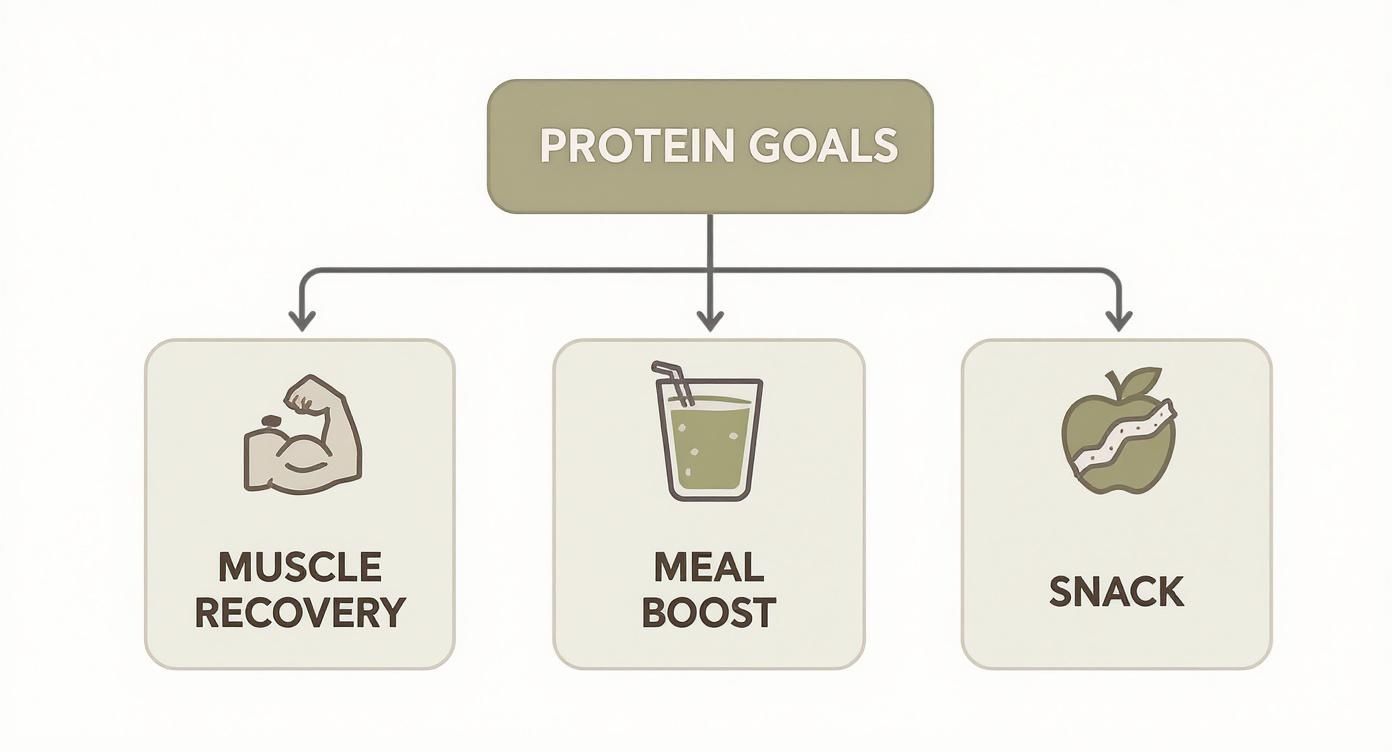
As you can see, a post-workout shake might be all about the protein, while a shake designed as a meal replacement will benefit from more healthy fats and fiber to keep you satisfied.
After you've perfected your recipe, the last step is to track it. Logging your shake helps you see exactly how it fits into your day. Instead of typing everything out, an app like munchlog.ai lets you just say it: "Log my chocolate protein shake with a banana and almond butter." It's done in seconds.
Tracking Your Protein Intake the Easy Way
Alright, you’ve picked out the perfect powder and mixed up a tasty shake. Now what? The final piece of the puzzle is keeping an eye on your nutrition, and it shouldn't feel like work. The goal is to make tracking so seamless that it just becomes part of your routine.
This is where a casual approach to tracking really shines. It’s not about obsessing over every single gram, but about being mindful of how your new protein powder fits into your bigger picture. Are you hitting your protein goals? Is that smoothie keeping you full until lunch? Answering these simple questions is what helps you make progress.
Let’s be honest, the old way of tracking is a pain. Manually searching for ingredients, typing everything out—it’s exactly the kind of friction that makes people quit. It's especially annoying when you’re just trying to log a simple, homemade shake.
Logging Your Shake in Seconds
Picture this instead: you finish your shake and just say, "Log my morning protein shake with almond milk and strawberries." That's it. This is the magic of voice-powered tracking.
When you use a tool like munchlog.ai, you just say what you ate. The AI takes care of the rest, estimating the macros for you. This removes the usual barriers, making it ridiculously easy to see how your protein intake adds up over the day.
For those of you really looking to dial in your fitness results, understanding the role of amino acids in muscle recovery can add another layer to your strategy. When you know the "why" behind your protein goal, tracking feels less like a task and more like a tool.
Real-Life Tracking Scenarios
Let's walk through how this works in a few common situations:
- The Morning Rush: You've stirred a scoop of vanilla protein into your oatmeal. Instead of fumbling with an app, you simply say, "Log oatmeal with one scoop of protein powder." Done.
- The Post-Workout Refuel: You blend your shake right after the gym. As you’re heading out, you just log it by saying, "Log one scoop of chocolate pea protein with oat milk."
- The Afternoon Snack: That 3 PM slump hits, and you whip up a quick shake. A quick voice command gets it logged instantly, so you know where you stand with your daily goals.
The point here is effortless awareness. When logging only takes a few seconds, you're way more likely to stick with it. You start gathering helpful insights into your eating habits without any of the usual stress.
Knowing your numbers helps you make smarter choices on the fly. If you realize you’re a bit short on protein for the day, you'll know a shake is a smart move. To figure out your personal targets, check out our guide on how to calculate daily protein needs. This kind of casual tracking helps you stay aligned with your health goals, one simple voice command at a time.
Still Have Questions About Vegan Protein Powder?
Even after you've done your research, it's totally normal for a few questions to pop up. Let's tackle some of the most common things people wonder about when they're new to protein powder vegan gluten free options.
I want to clear up any lingering confusion so you can feel great about the powder you choose.
Will Vegan Protein Make Me Bulky?
This is probably the biggest myth out there, and the short answer is no—not unless that's your specific goal.
Getting "bulky" requires a very specific formula of intense strength training and eating a lot more calories than you burn. A daily protein shake on its own just isn't going to do that.
For most of us, it’s simply a convenient way to meet our daily protein needs, help our muscles recover, and keep us feeling full. Think of it as a helpful tool, not a magic muscle potion.
Is Pea Protein Better Than Rice Protein?
It's less about one being "better" and more about how they work together. They're actually a fantastic team.
Different plant proteins have different amino acid profiles. For example, pea protein is rich in lysine, which rice protein has less of. On the flip side, rice protein has other amino acids that pea protein lacks.
This is why you'll see so many blends on the market. By combining them, you get a more complete protein with a full spectrum of essential amino acids. If you're just looking at texture, though, pea protein is usually creamier, while rice can sometimes have a slightly gritty feel. A good blend often gives you the best of both worlds.
How Often Should I Drink a Protein Shake?
Honestly, there’s no magic number. It all comes down to your personal diet and goals. The best approach is to use protein powder to fill the gaps in your whole-food diet.
If you had a day where your meals were light on protein, a shake is an easy way to catch up. Just finished a workout? It’s perfect for recovery. Many people find one shake a day works perfectly as a filling snack or a quick breakfast booster.
A simple way to know when a shake might be helpful is by casually tracking your intake. An app like munchlog.ai can quickly show you where your nutritional gaps are, making it easy to see when a protein boost would be most beneficial.
Can I Use Protein Powder If I Don’t Work Out?
Absolutely! Protein is essential for everyone, not just gym-goers. It’s a fundamental building block for your entire body—we're talking everything from muscle and bones to your hair, skin, and immune system.
For busy people, a protein shake is just a fantastic, simple way to make sure you're getting enough of this crucial nutrient. It makes for a quick, satisfying snack that can help curb hunger and keep your energy stable on those non-stop days.
Ready to stop guessing and start tracking your nutrition the easy way? With munchlog.ai, you can log your meals and protein shakes just by talking. See your macros instantly and stay mindful of your goals without the stress. Try munchlog.ai today and simplify your health journey.